
029-81163280
13519147002
Decoding Chocolate Flavor: What is it?
Chocolate flavoring is a concentrated flavor extract created through food science technology, designed to precisely replicate the alluring aroma, taste, and texture of natural chocolate (derived from cocoa beans). It's not simply melted chocolate, but rather achieved by capturing and reconstructing the hundreds of volatile compounds that make up chocolate's unique flavor profile.
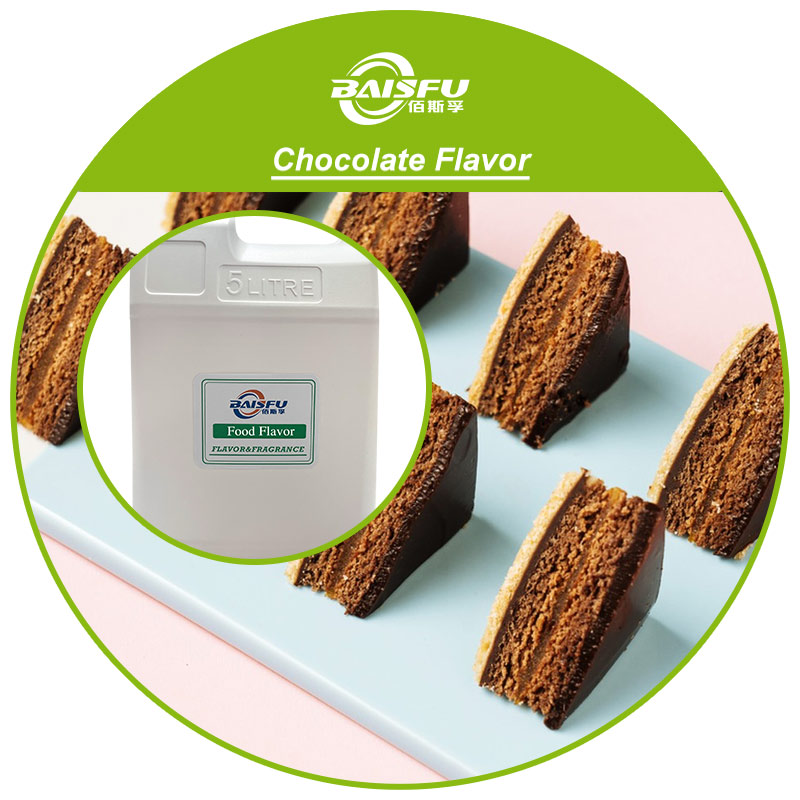
Core Characteristics of Chocolate Flavoring:
1. Excellent Heat Stability and Flavor Longevity
Unlike natural chocolate, which easily melts and whose flavor evaporates or deteriorates at high temperatures, chocolate flavoring (especially powdered or oil-soluble products) can withstand harsh processes such as baking, sterilization, and high-temperature extrusion. It ensures that a cookie maintains a stable and consistent chocolate flavor from the oven to the end of its shelf life, something difficult to achieve with natural chocolate.
2. Extremely High Flavor Intensity and Cost-Effectiveness
A very small amount of high-quality chocolate flavoring (typically 0.1%-0.3%) can provide a distinct and rich chocolate flavor. This significantly reduces the reliance on expensive cocoa raw materials in production, allowing manufacturers to control costs while providing more products with an appealing chocolate experience, making it a highly cost-effective flavor solution.
3. Unparalleled Application Flexibility
Chocolate flavoring can overcome the physical limitations of cocoa solids and cocoa butter, easily integrating into almost any food system in water-soluble, oil-soluble, or powder form:
Adjusting flavor types: Easily switch to deep-roasted dark chocolate flavor, sweet milk chocolate flavor, or specialty flavors with caramel or vanilla notes.
Adapting to complex matrices: Adds chocolate flavor to protein drinks, ice cream, and even sauces without affecting product texture, color, or water activity.
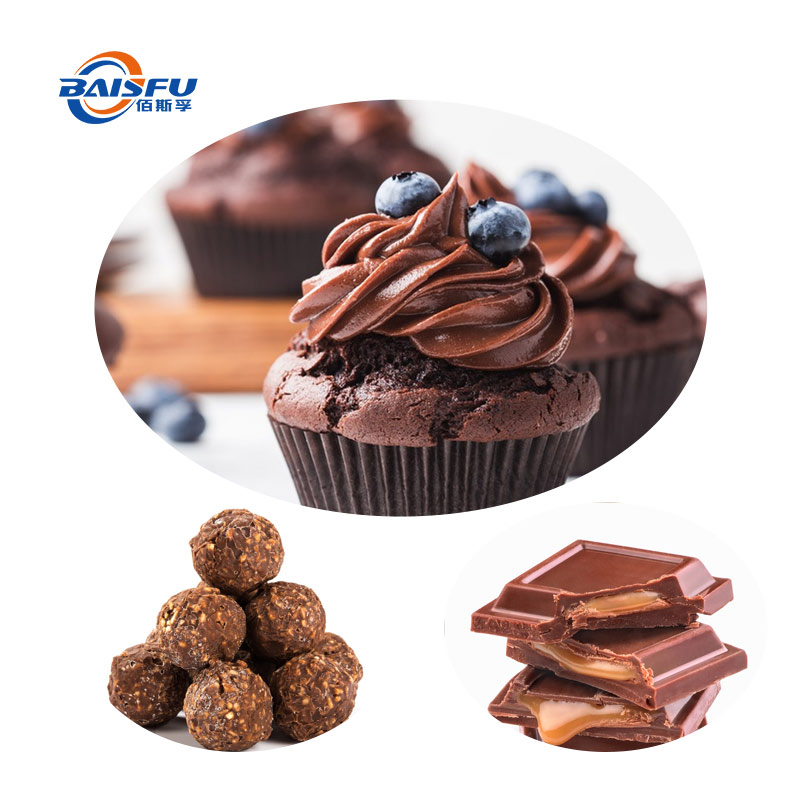
The Multidimensional Applications of Chocolate Flavoring
1. The Cornerstone of Baking and Confectionery
Baked Goods: In pre-mixes for cakes, brownies, and muffins, the flavoring ensures that the flavor remains full-bodied after baking; it provides a rich taste in fillings and frostings without adding excess moisture.
Confectionery: Provides a stable chocolate flavor to hard candies, soft candies, nougat, and chocolate-flavored gels, without the concerns of blooming or textural issues caused by cocoa butter.
2. The Flavor Engine of the Beverage World
Dairy and Plant-Based Beverages: Provides a stable and uniform flavor to chocolate milk, soy milk, and oat milk, preventing cocoa particle sedimentation.
Hot and Cold Beverages: The core flavor source for instant hot chocolate powder, chocolate-flavored coffee capsules, smoothies, and milkshakes.
Alcoholic Beverages: Used in the formulation of chocolate-flavored liqueurs, beers, and pre-mixed cocktails.
3. The Soul of Dairy Products and Frozen Desserts
In ice cream, frozen yogurt, mousse, and puddings, chocolate flavoring provides a distinct and direct flavor impact, perfectly blending with the dairy flavor, without the icy texture that cocoa powder might cause.
4. The Finishing Touch for Snacks and Breakfast Cereals
Widely used in chocolate-flavored coated cereals, energy bars, popcorn, cookies, and puffed snacks, providing a cost-effective and shelf-stable rich flavor.